
The Votes That Cost More Than a House
The Plantation of Carrollwood is one of Hillsborough County's largest deed-restricted communities, more than 1,800 homes with a clubhouse, pools, soccer fields, and a full-time staff. Between 2019 and 2024, it became the subject of two election-related lawsuits that, [according to a Tampa Bay 28 I-Team investigation](https://www.tampabay28.com/news/local-news/i-team-investigates/lengthy-disputes-over-hoa-board-elections-contribute-to-360-000-in-special-legal-fund-expenses), left the community $291,000 over budget on "legal special matters."
The first lawsuit began when a homeowner running for the board in 2019 discovered that HOA staff were soliciting proxies during soccer sign-ups, even though proxy voting wasn't allowed under the bylaws. When election day came, there was no quorum. Florida's DBPR investigated and ordered a new election. Instead of holding one, the board appealed, all the way to the Second District Court of Appeals, where they lost in 2021. The HOA had to pay the homeowner's legal bills on top of their own: well over $100,000.
The second lawsuit came in 2022, when the board sued another homeowner for allegedly filing a fraudulent proxy by signing the name of a homeowner who had died. That single disputed ballot wouldn't have changed the election outcome. Yet the case generated 315 docket entries over three years, nearly twice as many court events as the Terri Schiavo guardianship case. The HOA lost, appealed, and had the appeal dismissed. The case was still active as of July 2025.
In a separate reported case, a D&O insurance case study documented election dispute defense costs reaching $660,000 when the original board refused to leave after a court-ordered re-run election.
These cases represent a growing crisis in community association governance that affects 77 million Americans living in HOAs across the country.

The Numbers Behind the Crisis
Florida alone reportedly received 1,908 condominium election fraud complaints in a single year. Across the state's 67 counties, according to regulatory filings, just 33 investigators handle complaints for approximately 2.5 million condominiums, meaning most complaints sit unresolved for months while legal fees accumulate on both sides.
The average HOA lawsuit defense begins at $50,000 to $75,000 before settlement discussions even start. That figure accounts for attorney retainers, document production, depositions, and pre-trial motions. If the case actually goes to trial, costs can multiply several times over.
In California, the stakes are similarly high. The case of * Artus v. Gramercy Towers Condominium Association * saw both sides seek over $300,000 in attorney fees. The Lake Lindero Homeowners Association v. Barone case in 2023 required court intervention under Corporations Code § 7616 just to determine whether a recall election was valid.
| Cost Category | Typical Range |
|---|---|
| Attorney retainer | $5,000 - $15,000 |
| Discovery and depositions | $10,000 - $40,000 |
| Expert witnesses | $5,000 - $20,000 |
| Trial preparation | $15,000 - $50,000 |
| Trial costs | $20,000 - $100,000 + |
| Total range | $50,000 - $300,000 + |
Why Paper Ballots Are a Legal Minefield
The root cause of most election disputes is ambiguity.Paper - based voting systems create ambiguity at every step:
- "Was that ballot really from unit 402?": No identity verification means any piece of paper could be from anyone.
- "Who watched the ballot box overnight?": Chain of custody is nearly impossible to prove with physical materials.
- "Why did the counting stop for 20 minutes?": Gaps in process become gaps in legal defense.
In the landmark * Hammocks HOA * case in Miami, South Florida's largest HOA with over 18,000 residents, four former board members were charged with misappropriating $2 million in a scheme that included canceling in-person voting mid-election. The total fraud topped $3 million, and the community ultimately settled for the full $2 million D&O insurance policy limit.
Paper systems and digital systems create different evidence. A paper process can document eligibility, custody, observers, and tabulation; a digital process can record credential use, timestamps, and system events. Neither format proves that every outside procedure was correct.

The Insurance Illusion
Boards should not assume a Directors & Officers policy covers or excludes an election dispute without reading the actual policy and obtaining advice from the broker or coverage counsel.
Policy terms vary. Items worth checking include:
- Retention or deductible: what the association pays before coverage responds.
- Defense and consent terms: who selects counsel and controls settlement.
- Exclusions and endorsements: whether governance, election, contract, or intentional-act language applies.
- Limits and renewal terms: how defense costs affect the available limit and future renewal.
California Civil Code §5800 does not simply mandate those amounts. It conditions a liability limitation for qualifying volunteer officers and directors on, among other things, specified insurance coverage. Read the current text and the actual policy instead of turning the statutory thresholds into a coverage promise.
What a Better-Documented Election Looks Like
No process can promise that an election will not be challenged. Better records can make the facts easier for inspectors, members, counsel, an arbitrator, or a court to evaluate.
A documented workflow includes more than software:
- 1Authority and procedure: current law, governing documents, resolutions, notices, consent, inspectors, and deadlines.
- 2Eligibility evidence: the source roster, record date, credential issuance, and a documented correction process.
- 3Ballot and custody controls: the required secrecy model, access controls, tabulation method, and records for paper or digital channels.
- 4Reviewable records: timestamped platform events and exports, plus the outside records the platform never sees.
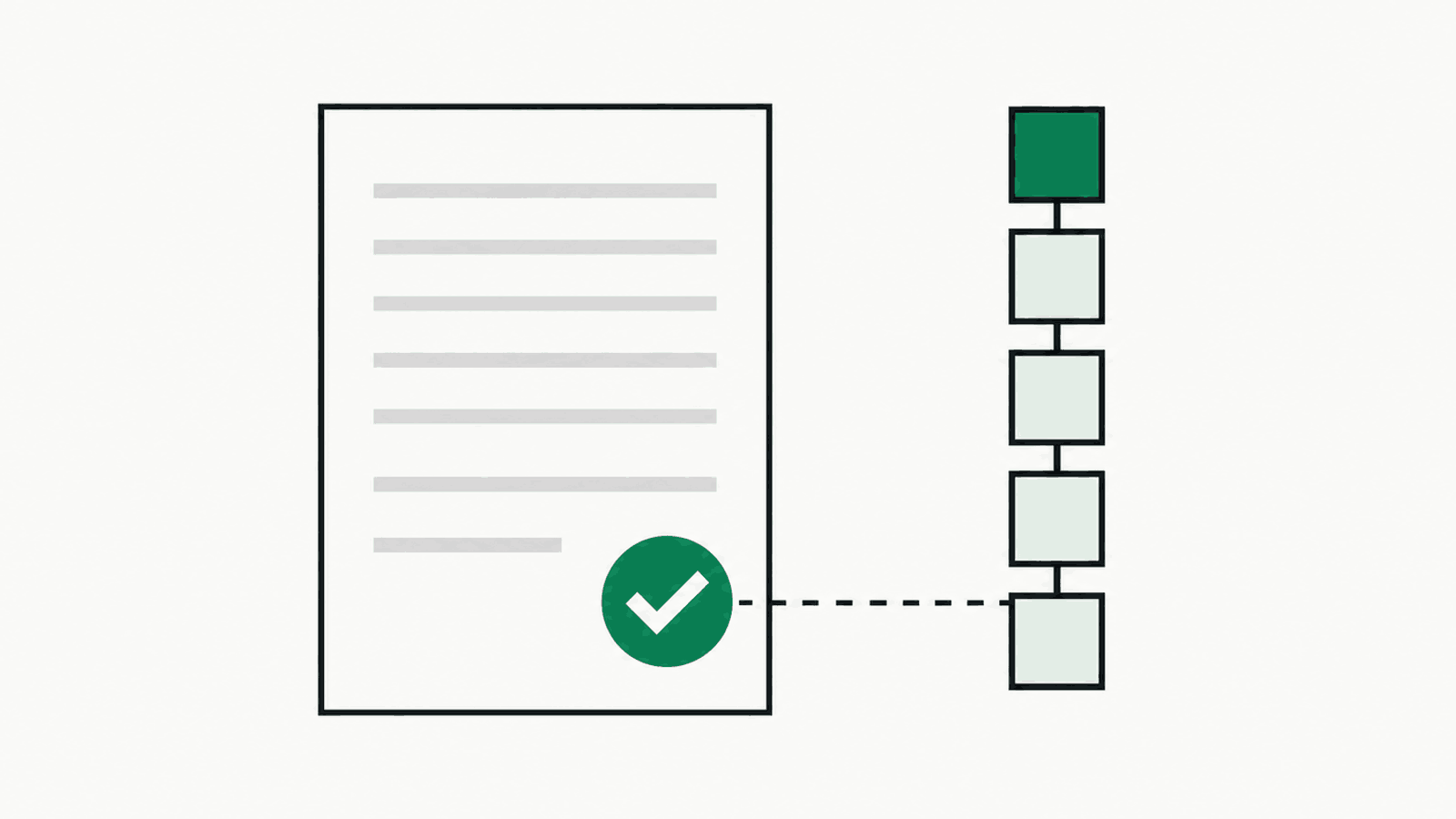
At [vote.direct](https://vote.direct), the current election fee for 200 invited voters is $19.99. Assisted government-ID checks are optional and separately priced; checking all 200 voters would make the software-and-check total $619.99. The platform can run an assisted government-ID check in that workflow and can export SHA-256 hash-linked audit events. Those records describe platform activity; they do not certify legal compliance or predict a dispute outcome.
Compare the Whole Workflow, Not an Invented Risk Percentage
There is no defensible universal percentage for the chance that an HOA election will be challenged, and a platform log cannot reduce legal exposure to zero. Compare the actual costs and controls in your own procedure: staff and volunteer time, printing and postage, inspectors or independent administration, software, optional identity checks, accessibility, record retention, and legal review.
The Bottom Line
The Foundation for Community Association Research estimates 373,000 U.S. community associations in 2025. The reported $291,000 figure in this article is one community’s over-budget “legal special matters” spending across two disputes, not a national average and not a forecast for another association.
Use the case for the narrower lesson it supports: a disputed procedure can consume years and substantial community resources. Start with the current law and governing documents, assign each outside duty, and treat software exports as one part of the evidence.
This article is general information, not legal advice. We recommend you do your own research and confirm anything you plan to act on. Where this article states law, the section is cited so you can read the primary source yourself rather than take our word for it. That is what the citations are for. Election requirements also turn on your own governing documents, which we have not seen, and statutes are amended. For advice about your community, consult a qualified attorney licensed in your state.
We work hard to verify every citation against the primary source, but laws change and errors happen. If you spot an inaccuracy, email support@vote.direct and we will correct it. See our editorial standards for how these pages are researched and checked.