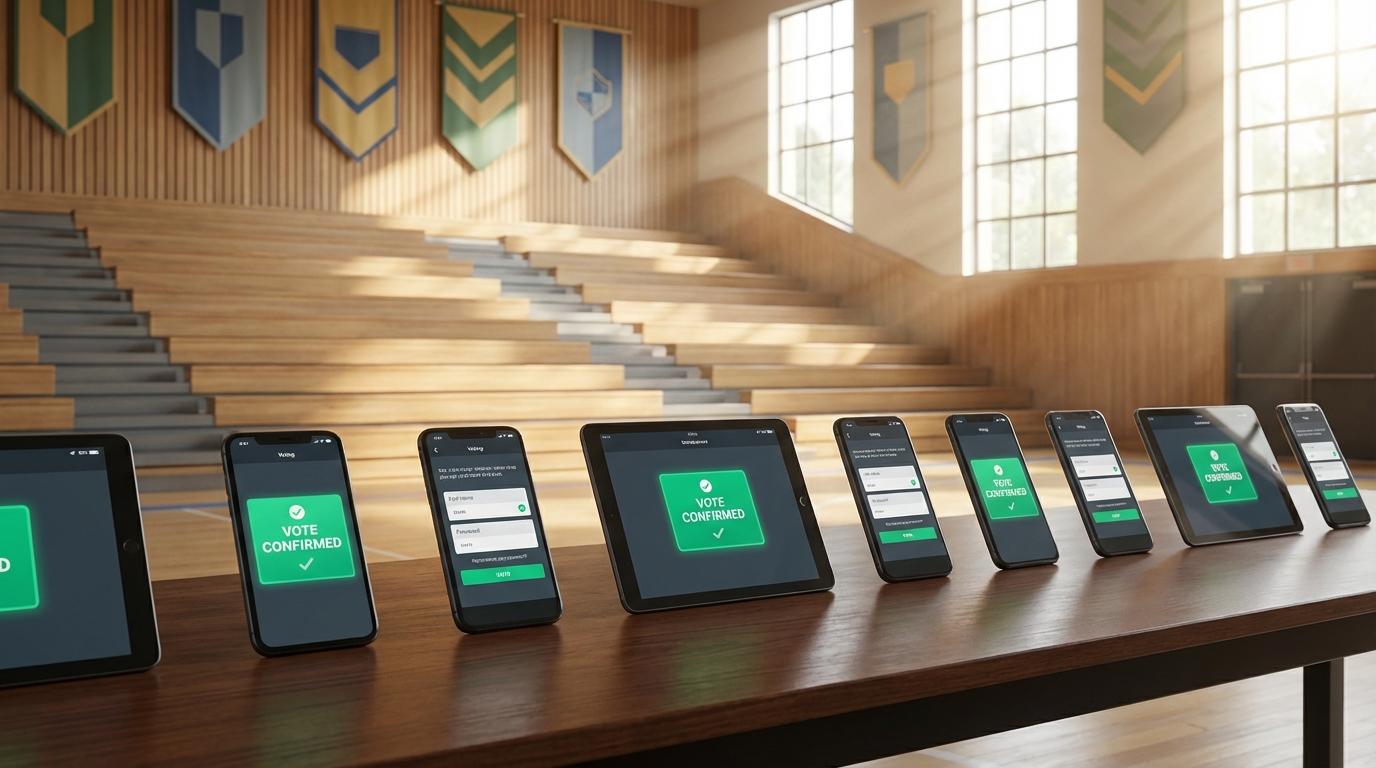
The State of Corporate Voting
Corporate shareholder voting is stuck in the past. Despite operating in a digital world, most companies still rely on paper proxy cards, snail - mail solicitations, and manual vote tabulation. The process is slow, expensive, and opaque.
For public companies, the proxy process is heavily regulated and typically handled by specialized firms charging tens of thousands of dollars. But for private companies, startups, family businesses, private equity portfolio companies, and closely - held corporations, there's a gap. They need real governance but can't justify enterprise election costs.
The Private Company Challenge
Private companies with 10 to 1,000 shareholders face a particular challenge:
- Board elections require documented shareholder votes
- Major transactions need shareholder consent
- Equity changes demand approval from existing shareholders
- Bylaw amendments require formal voting processes
Most handle this through emailed consent forms or DocuSign signatures. It works, technically, but it's time-consuming, hard to track, and produces a scattered audit trail.
Where a Roster-Controlled Ballot Can Fit
Private companies can choose email, SMS, or an assisted government-ID workflow, but vote.direct does not claim equivalence with a public-company tabulator. The current election fee is based on invited-voter count; assisted ID checks are $3.00 per checked voter when arranged.
Board Elections
The company can upload the voting roster, choose a credential method, collect ballots, and export participation, tabulation, and hash-linked platform events. Corporate counsel or the appointed inspectors still determine whether the procedure satisfies the governing requirements.
Shareholder Resolutions
Significant actions can have transaction-specific approval, class-vote, notice, disclosure, signature, filing, or appraisal-right requirements. A platform ballot records selections; it does not decide which approvals are legally sufficient.
Written Consent in Lieu of Meeting
Do not treat an ordinary online ballot as automatically equivalent to written consent. Delaware General Corporation Law §228 has signature, delivery, timing, and related requirements for stockholder action without a meeting. Configure a consent workflow with corporate counsel rather than relabeling a ballot after the fact.
Delaware Starting Points
The official Delaware General Corporation Law, Subchapter VII supplies several starting points:
- §211: annual and special meetings, remote participation, and electronic transmission of ballots for director elections when authorized.
- §212: voting rights and proxies, including the default of one vote per share unless the certificate provides otherwise.
- §219: the stockholder list and access rules for meetings.
- §228: stockholder action by written consent without a meeting.
- §231: inspectors of election and their duties.
- §232: notice by electronic transmission.
Those sections do not create a blanket “DGCL-compliant platform” label. The certificate of incorporation, bylaws, board resolutions, record date, vote type, proxies, inspectors, securities rules, and facts still matter. Other states differ.
A Transparent 200-Shareholder Software Example
For 200 invited voters, the vote.direct election fee is $19.99 before optional services. Assisted government-ID checks cost $3.00 per checked voter when arranged. Legal, inspector, notice, proxy, mailing, and filing costs are outside that software example.
Records to Coordinate With Corporate Counsel
Depending on the configuration, the platform can produce:
- Credential and participation records: which roster credentials submitted accepted ballots.
- Optional identity-check status: evidence returned by the assisted provider, separate from the company’s ownership determination.
- Timestamps and tabulation: platform receipt times and the configured count.
- Exportable events: a hash-linked platform event sequence for the company’s files.
Counsel can then place those exports alongside the certificate, bylaws, resolutions, notices, stock ledger, proxies or consents, inspector materials, minutes, and any required filings.
From Annual Meetings to Everyday Governance
Affordable software can make a documented workflow practical for routine decisions, not just annual elections. A five-director vote currently uses the entry election tier, Free, before any optional services. Whether that ballot constitutes valid board action still depends on corporate law and the governing documents.
Routine documentation can make later review easier, but the company should not describe a platform export as proof that a corporate action was valid.
This article is general information, not legal advice. We recommend you do your own research and confirm anything you plan to act on. Where this article states law, the section is cited so you can read the primary source yourself rather than take our word for it. That is what the citations are for. Election requirements also turn on your own governing documents, which we have not seen, and statutes are amended. For advice about your community, consult a qualified attorney licensed in your state.
We work hard to verify every citation against the primary source, but laws change and errors happen. If you spot an inaccuracy, email support@vote.direct and we will correct it. See our editorial standards for how these pages are researched and checked.