The Illusion of Free
Google Forms is free. SurveyMonkey has a free tier. Slack polls take seconds. Why would an organization pay for a controlled election workflow?
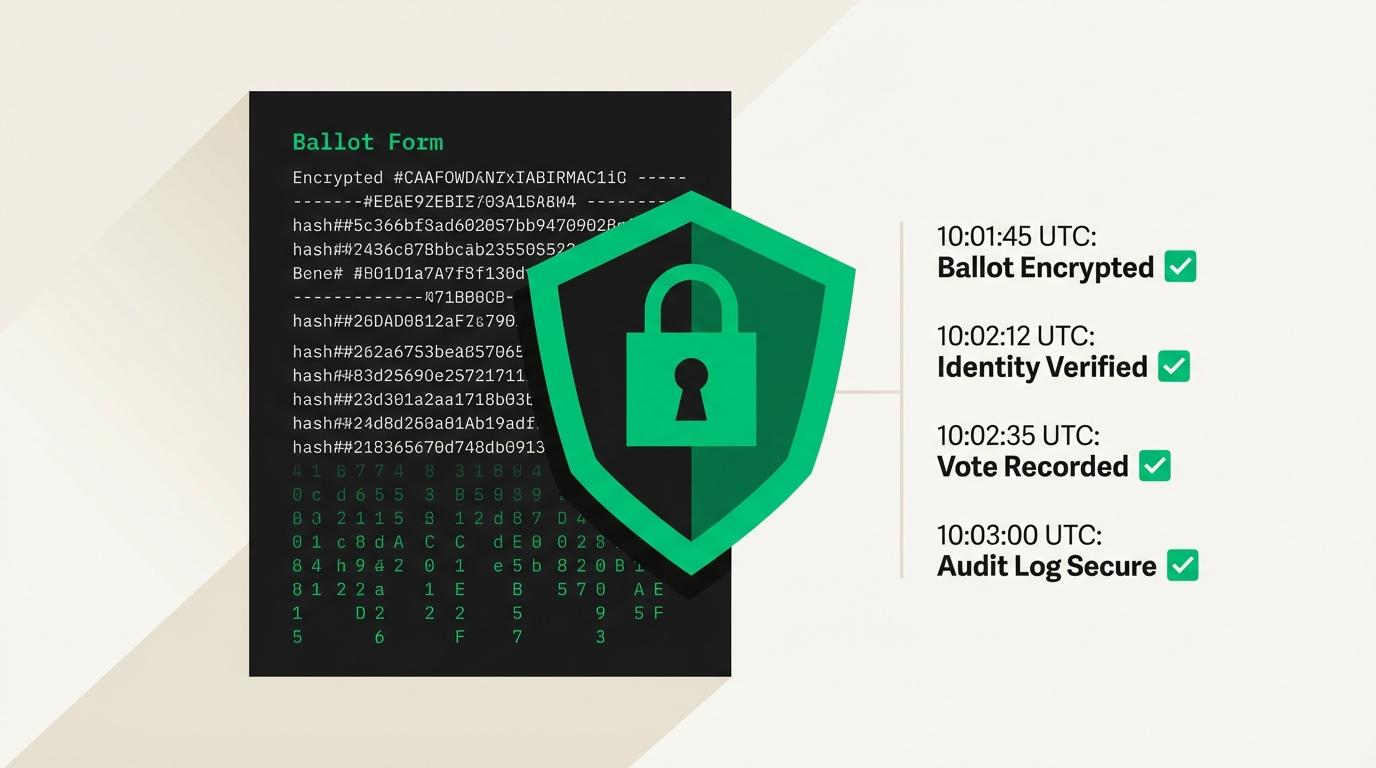
Because the relevant comparison is not “free versus $5.” It is the organization’s required process: roster control, verification, ballot privacy, quorum, tabulation, notices, records, and any human oversight.
The Real Costs of Unverified Voting
1. Contested Results($5,000 - $50,000 +)
When votes aren't verified, any result can be challenged. "How do you know all those votes were from real members?" is a question with no good answer when you used a Google Form.
For HOAs, contested elections trigger legal review, potential re - votes, and sometimes lawsuits. Average legal costs for an HOA election dispute: $10,000 - $30,000.
For nonprofits, a challenged board election can trigger state attorney general review and threaten tax - exempt status.
For corporations, a disputed shareholder vote can delay or kill transactions worth millions.
2. Re - Votes(2x the Cost, Plus Lost Trust)
When results are questioned and there's no audit trail to defend them, organizations often end up re-running the vote. That's double the cost, double the time, and a permanent stain on organizational credibility.
3. Low Participation = Bad Decisions
Unverified polls tend to have low participation because members don't trust them. "Why should I bother voting if anyone can stuff the ballot?" When decisions are made by a small fraction of members, those decisions don't reflect the organization's will, and members disengage further.
4. Manipulation and Bad Actors
Every organization has internal politics. Without verification, motivated individuals can create multiple accounts, forward voting links, or otherwise game the system. The result: decisions that serve a small group rather than the membership.
5. Compliance Failures
Many organizations have legal or regulatory requirements for how votes must be conducted. HOAs must comply with state election statutes. Unions must meet LMRDA requirements. Nonprofits must demonstrate governance practices to maintain tax - exempt status.
Using a Google Form for a legally required vote is like using a napkin for a contract. It might contain the right information, but it won't hold up when challenged.
A Current 100-Voter Calculation
Let's be concrete. For a 100-member organization:
Option A: Free poll
- Immediate cost: $0
- Probability of challenge(per year): ~10 %
- Average cost when challenged: $15,000
- Expected annual cost of challenges: $1, 500
- Plus: Lost trust, re - votes, disengagement(hard to quantify)
Option B: ID-verified voting
- Current election fee with email or SMS verification: $9.99
- Election plus assisted ID checks for all 100 voters: $309.99
- Probability of challenge: ~1 % (and easily defended)
- Average cost when challenged: $2,000(quick resolution with audit trail)
- Expected annual cost of challenges: $20
Net savings with verification: $980 / year: and that's before counting the intangible benefits of trust, participation, and organizational health.
Real Examples of Unverified Voting Gone Wrong
The HOA Recall That Wasn't
An HOA used email voting for a board recall. The recall "passed" 45 - 30. Three board members challenged the results, claiming some votes came from non - owners. With no identity verification, there was no way to prove otherwise. Legal fees to resolve: $22,000. The recall was voided and re-run, at additional cost.
The Nonprofit Board Split
A nonprofit's annual board election was conducted via SurveyMonkey. A losing candidate alleged that several votes came from non-members. The allegation was impossible to disprove. The resulting board schism led to the departure of three major donors. Estimated fundraising impact: $150,000+.
The Union Challenge
A union local used paper ballots without ID checks for officer elections. A losing slate challenged the results with the Department of Labor. The DOL ordered a supervised re - election. Total cost: $35,000 plus months of organizational turmoil.
When Free Actually Makes Sense
To be fair, unverified polls have their place:
- Casual temperature checks: "Where should we have the holiday party?"
- Non - binding input: "What topics interest you for next quarter's newsletter?"
- Low - stakes preferences: "What time works best for the team meeting?"
For anything where the outcome matters, where money is involved, where people will be bound by the result, or where someone might challenge the outcome, verification isn't optional. It's essential.
The Bottom Line
The right question is not whether every vote should use the strongest available check. It is which assurance level the decision, roster, law, and threat model justify.
For most organizations, the answer is clear. One contested election costs more than a decade of verified voting. One loss of member trust is incalculable.
Verification and audit records are controls, not insurance and not a guarantee against a dispute. Price them alongside the complete procedure.
This article is general information, not legal advice. We recommend you do your own research and confirm anything you plan to act on. Where this article states law, the section is cited so you can read the primary source yourself rather than take our word for it. That is what the citations are for. Election requirements also turn on your own governing documents, which we have not seen, and statutes are amended. For advice about your community, consult a qualified attorney licensed in your state.
We work hard to verify every citation against the primary source, but laws change and errors happen. If you spot an inaccuracy, email support@vote.direct and we will correct it. See our editorial standards for how these pages are researched and checked.