What a Proxy Is
A proxy is a written authorization letting one member act at a meeting on behalf of another. The member giving it is the principal. The person receiving it is the proxy holder. The document itself is also called the proxy, which is why conversations about proxies get confusing fast.
Proxies exist for one reason: a membership organization needs participation from people who cannot be in a room on a Tuesday evening. Without them, many associations would never reach quorum at all.
This article is general information, not legal advice. Proxy rules come from your state's statutes and your governing documents, and they differ significantly between states and between organization types. Confirm yours before you rely on them.
The Three Kinds
General proxy. The holder may vote as they see fit on whatever comes up. The principal has handed over judgment, not just attendance. This is the most flexible kind and the most disputed, because the holder's vote may be nothing like what the principal would have chosen.
Directed or limited proxy. The principal marks how they want each question voted, and the holder is bound to those instructions. It functions much like an absentee ballot with a courier. Several states require directed proxies for particular decisions precisely so a holder cannot accumulate discretion.
Quorum-only proxy. The proxy counts the principal as present for quorum purposes but grants no voting authority. Useful when the goal is simply to hold a valid meeting.
Which of these your organization may use is set by statute and by your documents. Some states restrict or ban proxies for certain votes, and a few community association statutes prohibit them for board elections outright while permitting them for other business.
What a Valid Proxy Form Contains
Six elements. Missing any one of them is the usual reason a proxy is rejected at the door.
- 1The principal's identity, matched to the roster: name and unit, lot, or membership number.
- 2The proxy holder's identity, by name. A blank holder line filled in later is one of the most common sources of dispute.
- 3The scope. Which meeting, which date, and whether it extends to an adjournment of that meeting. A proxy for "the annual meeting" that is silent about the adjourned session usually dies when the meeting adjourns.
- 4The instructions, if directed. Each question stated in the same words as the ballot.
- 5A revocation statement, saying how the principal may revoke it and that attending in person revokes it automatically.
- 6Signature and date. Undated proxies are difficult to validate because duration usually runs from execution.
Add a return deadline and a delivery method, and state plainly that a proxy received after the deadline will not be counted.
How Long a Proxy Lasts
The most common default across US nonprofit corporation statutes is eleven months from the date of execution unless the proxy itself states a longer period. That default is not universal. Community association statutes frequently set shorter limits, sometimes tying a proxy to a single meeting, and your governing documents may be stricter than the statute.
Two rules apply almost everywhere:
- A proxy is revocable unless it is expressly irrevocable and coupled with an interest, which is rare outside commercial contexts.
- Attending in person revokes it. The principal showing up supersedes the holder, whether or not anyone announces it.
Why Proxies Get Disputed
Proxies are the most litigated instrument in association governance, and the reasons repeat:
- Blank holder lines. Forms collected with the holder line empty and filled in later by whoever is collecting.
- Solicitation by one faction. A slate collects proxies door to door while other candidates cannot, which is legal in many places and corrosive everywhere.
- Stale proxies. An eleven-month proxy used at a meeting thirteen months later.
- No revocation trail. A member gives two proxies to two people and nobody can prove which came second.
- Holder accumulation. One person holding forty proxies effectively decides the election, which is exactly why some states cap the number one person may hold.
- No verification. Nobody checks the signature against the roster.
Our deeper look at how this goes wrong in practice is in HOA proxy voting fraud.
Honest question
Would you trust an online vote to decide your community's annual budget?
Proxy, Absentee Ballot, and Electronic Ballot Are Not the Same Thing
| Proxy | Absentee or mail ballot | Electronic ballot | |
|---|---|---|---|
| Who casts it | Another person | The member | The member |
| Judgment exercised by | The holder, unless directed | The member | The member |
| Counts toward quorum | Usually | Depends on your rules | Depends on your rules |
| Common failure | Invalid or stale form | Late arrival, no secrecy envelope | Roster not current |
| Secrecy | Poor | Good with a proper envelope | Good |
The comparison matters because organizations often adopt one while believing they adopted another. If your goal is that members decide questions themselves, a directed proxy, an absentee ballot, or an electronic ballot does that. A general proxy does not. See mail ballot vs absentee ballot for the difference between those two.
Running an Election with Proxies
- 1Confirm proxies are permitted for this specific decision, by both statute and documents.
- 2Publish the form with the notice, not later.
- 3Set a return deadline early enough to validate before the meeting.
- 4Validate on receipt. Check the principal against the roster, confirm the holder is named, confirm the date is in range, confirm the signature.
- 5Log every proxy with the date received, so a later duplicate can be resolved by time order.
- 6Check the room at the meeting. Any principal who attends revokes their proxy.
- 7Retain them with the ballots and the tally as part of the election record.
The Structural Alternative
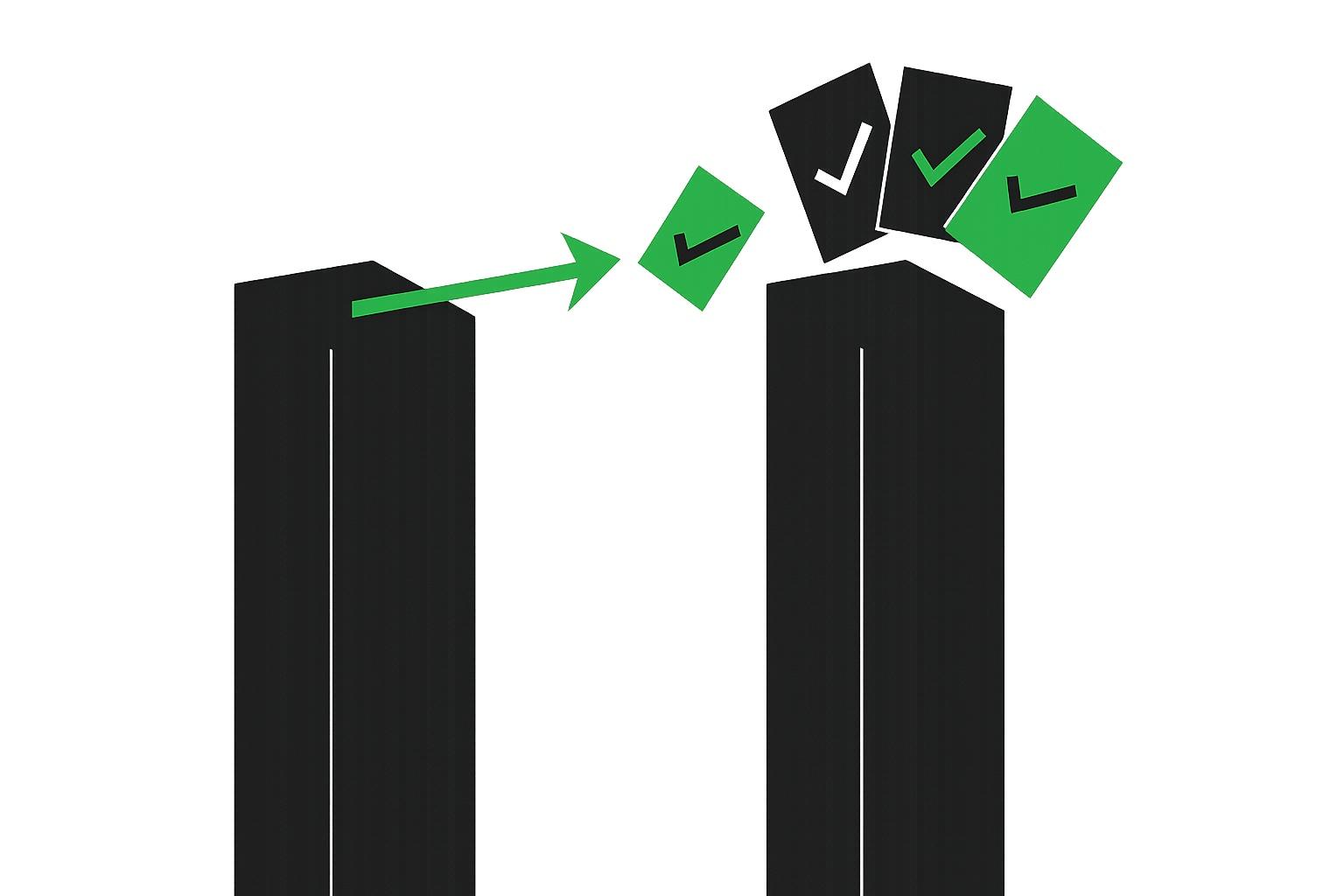
Proxies exist because attendance is hard, not because delegation is desirable. When members can participate directly from a phone over a two-week window, the reason to hand your vote to a neighbor mostly disappears, and with it the entire category of proxy disputes.
That is not an argument to abolish proxies, which your documents may require anyway. It is an argument to stop relying on them as the primary participation mechanism. Associations that move to direct electronic participation typically see proxy volume fall sharply, and the proxies that remain are the ones genuinely needed.
FAQ
Q: What is a proxy vote?
It is a vote cast by one person on behalf of another under a written authorization. The member who cannot attend signs a proxy naming someone to act for them at a specific meeting.
Q: What is the difference between a general and a directed proxy?
A general proxy lets the holder vote however they choose. A directed or limited proxy records the principal's instructions on each question and binds the holder to follow them.
Q: How long is a proxy valid?
Under many nonprofit corporation statutes, eleven months from execution unless the proxy states a longer period. Community association statutes and governing documents are often stricter, sometimes limiting a proxy to a single meeting. Check both.
Q: Can you revoke a proxy?
Yes, unless it is expressly irrevocable and coupled with an interest. Revocation is normally in writing, and attending the meeting in person revokes the proxy automatically.
Q: Do proxies count toward quorum?
In most organizations that permit proxies, yes. A member represented by proxy is treated as present. Some statutes and documents limit this, so confirm your own rules.
Q: Can one person hold unlimited proxies?
It depends on your state and your documents. Several jurisdictions cap the number of proxies a single holder may exercise, precisely because a large block in one person's hands can decide an election on its own.
Q: Are proxies allowed in board elections?
Not everywhere. Some community association statutes prohibit proxies for board elections while permitting them for other business, and others require a directed proxy. This is a question to answer from your own state's statute before the notice goes out.
The Bottom Line
A proxy is a delegation of authority, and it should be treated with the seriousness that implies: named holder, clear scope, dated signature, real verification on receipt, and a log that resolves duplicates. Most proxy disputes are not fraud. They are paperwork that nobody checked until it mattered. Before you print a form, check whether your state lets a proxy into a board election at all: HOA proxy voting rules by state sorts all fifty.
If your real problem is that members cannot attend, the durable fix is to let them participate directly. vote.direct gives every eligible member a private ballot link they can use from any phone over a window you set, so quorum comes from members rather than from collected paper. Elections start at $4.99 and cover up to 50 voters.
Want help reading your proxy clause before your annual meeting? Call or text (512) 222-8191 or email hello@vote.direct. We do this every week and we are glad to look at yours.
This article is general information, not legal advice. We recommend you do your own research and confirm anything you plan to act on. Where this article states law, the section is cited so you can read the primary source yourself rather than take our word for it. That is what the citations are for. Election requirements also turn on your own governing documents, which we have not seen, and statutes are amended. For advice about your community, consult a qualified attorney licensed in your state.
We work hard to verify every citation against the primary source, but laws change and errors happen. If you spot an inaccuracy, email support@vote.direct and we will correct it. See our editorial standards for how these pages are researched and checked.