The Survey Data You're Using Is Probably Wrong
Organizations make critical decisions based on survey data every day. HOA boards survey homeowners before approving special assessments. Nonprofits poll members on strategic direction. HR departments run employee engagement surveys. School districts gather parent feedback on policy changes.
The problem? The tools most organizations use, SurveyMonkey, Google Forms, Typeform, Microsoft Forms, have a fundamental flaw: they cannot verify who is actually responding.
Anyone with the link can submit a response. The same person can respond multiple times. Bots can flood a survey in minutes. And there is no audit trail connecting responses to verified identities.
For a "What should we name the office dog?" poll, this doesn't matter. For a survey that informs a $50,000 budget allocation, a leadership decision, or a policy change affecting hundreds of people, unverified data is a liability.
The Five Problems With Unverified Surveys
1. Duplicate Responses
Google Forms offers a "Limit to 1 response" option that requires respondents to sign in with a Google account. SurveyMonkey offers IP-based duplicate detection. Both are trivially easy to bypass.
A person with two email accounts submits two responses. A household with multiple devices submits from each one. An organized group creates a dozen free email addresses and skews the results.
For organizations with defined membership, HOAs, nonprofits, unions, credit unions, PTAs, every duplicate response dilutes the voice of a legitimate member.
2. Non-Member Responses
When you distribute a survey link via email, nothing prevents recipients from forwarding it. A homeowner shares the link on a neighborhood Facebook group. A disgruntled former employee shares the company survey externally. A parent forwards the PTA survey to friends who don't have children at the school.
Suddenly your "member survey" includes responses from people who have no standing in the organization.
3. Bot and Spam Submissions
Automated submissions are a growing problem. Survey links posted publicly, even briefly, can attract hundreds of bot responses within hours. CAPTCHA helps but is increasingly defeated by AI-powered solving services.
A 2024 study by Cloudflare estimated that bot traffic accounts for nearly 30% of all internet traffic. Survey forms are a common target because they rarely implement meaningful authentication.
4. No Audit Trail
When survey results are challenged, and in organizational settings, they frequently are, there is no way to verify the integrity of the data. You cannot prove that responses came from eligible members. You cannot identify or remove ineligible responses after the fact. You cannot demonstrate to a board, a regulator, or a court that the data is reliable.
5. Anonymity Without Verification
Many surveys need to be anonymous, employees shouldn't fear retaliation for honest feedback, and HOA homeowners shouldn't feel pressured to agree with the board. But anonymity without verification creates a different problem: anyone can claim to be anyone.
True survey integrity requires verified anonymity, confirming that a response came from an eligible person while keeping their specific answers private.

When Unverified Surveys Create Real Problems
HOA Budget Surveys
An HOA board sends a Google Form asking homeowners to rank spending priorities for the next fiscal year. The link gets shared on a neighborhood social media page. Responses come in from renters, former residents, and homeowners from the adjacent community. The board presents "survey results" at the annual meeting showing 70% support for a pool renovation. A homeowner challenges the data, noting that only 150 units exist but 230 responses were collected. The survey is worthless, and the board has lost credibility.
Employee Engagement Surveys
A company runs its annual engagement survey through SurveyMonkey. Three employees in a disgruntled department each submit multiple responses expressing low satisfaction, dragging the department's score below the threshold that triggers a leadership review. The review proceeds, at a cost of $50,000 in consultant fees, based on data that was manipulated by a handful of people.
Nonprofit Strategic Planning
A nonprofit surveys its 500 members on whether to expand into a new program area. The survey link is shared publicly on social media as part of the outreach. 800 responses come in, 300 from non-members. The board votes to pursue the expansion based on a "strong mandate from members" that never actually existed.
PTA Decisions
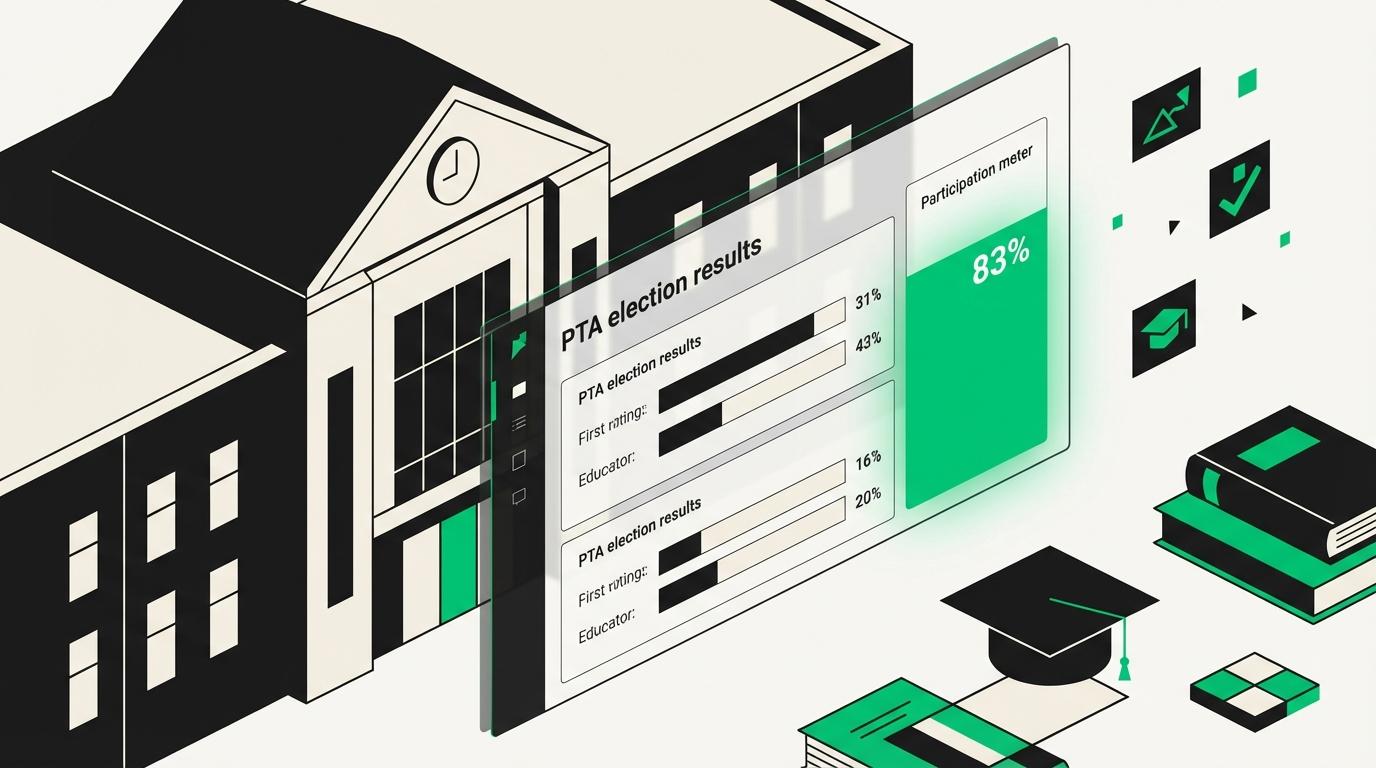
A PTA sends a survey asking parents to choose between two fundraiser options. One parent shares the survey in a local community group, and people without children at the school submit responses supporting the option that benefits local businesses. The PTA allocates $10,000 based on skewed data.
What Verified Surveys Look Like
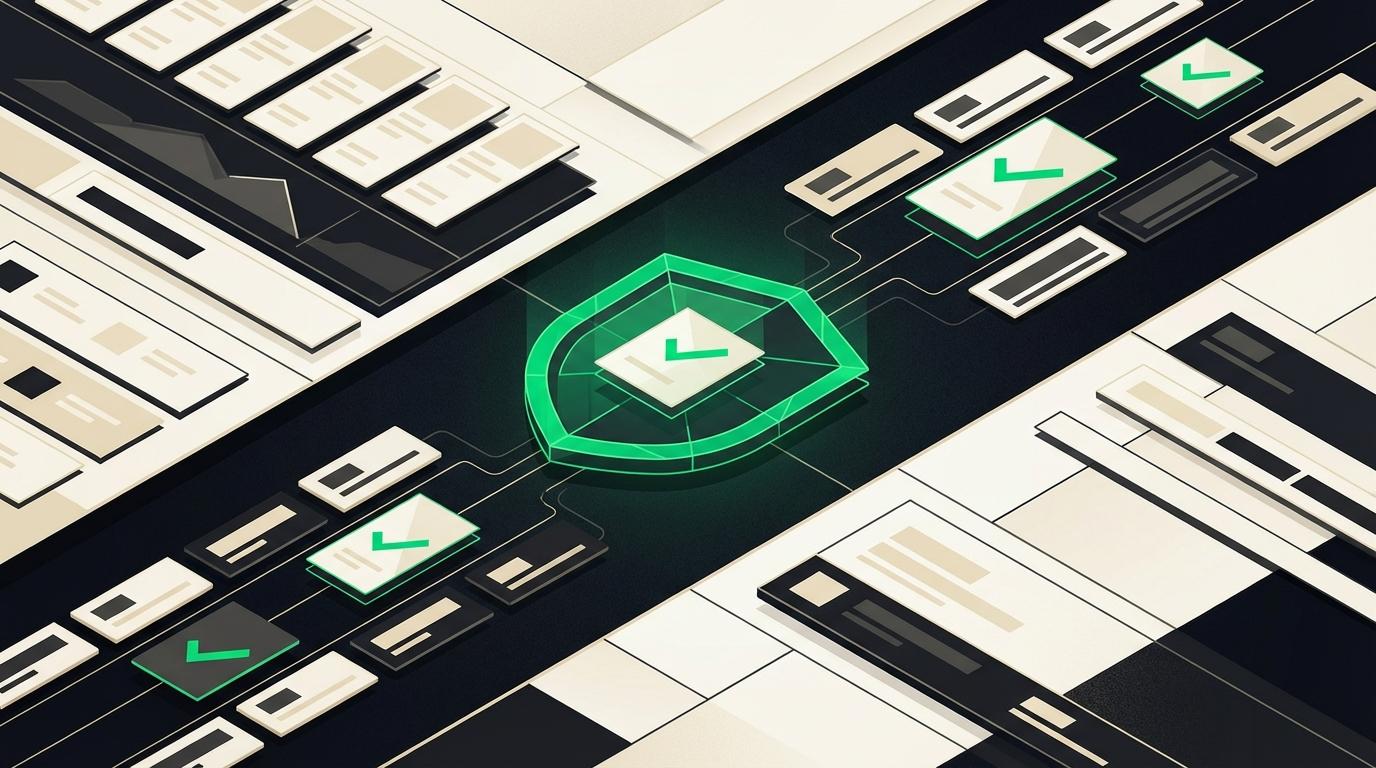
A roster-controlled survey can address several problems above by adding an eligibility list and a configured credential check at the point of response:
| Feature | Free Tools | Verified Survey |
|---|---|---|
| One response per person | Weak (email/IP) | Strong (identity verified) |
| Respondent eligibility | None | Member list enforcement |
| Bot prevention | CAPTCHA only | Identity verification |
| Audit trail | None | Timestamped, exportable |
| Anonymous + verified | Choose one | Both simultaneously |
| Reviewable evidence | Platform-dependent | Timestamped platform records |
How Identity-Verified Surveys Work
- 1Define your survey: Create questions, set response types, configure any required fields
- 2Upload your eligible respondent list: Only people on the list can participate
- 3Choose your tier: Flat rate from $4.99 (email + SMS included). Government ID: $3.00/respondent add-on
- 4Distribute the survey: Each eligible respondent receives a unique, secure link
- 5Collect verified responses: Each respondent verifies their identity before submitting
- 6Export auditable results: Full audit trail with verification records, timestamps, and participation data
Honest question
Would you trust an online vote to decide your community's annual budget?
The Anonymity Paradox, Solved
In vote.direct Anonymous mode, the organizer can see who participated but not how a particular person responded. The voter-to-response link is withheld from organizer views and exports while remaining in restricted application storage, so a response can be changed where the organizer allows it and staff can recount by roster; Sealed ballot mode goes further and stores each response with no link to the respondent at all.
This gives organizations the best of both worlds: data integrity and respondent privacy.
Use Cases for Verified Surveys
Member Organizations
- HOAs and condos: Budget priority surveys, amenity satisfaction, policy feedback
- Nonprofits: Strategic planning input, member satisfaction, program evaluation
- Professional associations: Standards adoption surveys, membership benefit preferences
- Cooperatives: Member satisfaction, service priorities, capital investment preferences
Workplace
- Employee engagement: Annual satisfaction surveys with verified one-per-employee responses
- 360-degree reviews: Verified peer feedback without identification
- Policy feedback: Employee input on workplace policy changes
- Exit surveys: Verified former employee feedback
Education
- Parent surveys: Verified parent feedback on curriculum, policy, or school decisions
- Student elections: Verified student body voting on student government or policy
- Faculty governance: Department surveys with verified faculty identity
Community
- Church congregations: Pastoral search input, program satisfaction, budget priorities
- Unions: Member satisfaction, bargaining priority surveys
- Community organizations: Neighborhood surveys with verified residency
The Cost of Verified vs. Unverified
For a 200-member organization running a strategic planning survey:
| Approach | Cost | Data Quality | Audit Trail |
|---|---|---|---|
| Google Forms | $0 | Low, no verification | None |
| SurveyMonkey (paid) | $39/month | Low, weak deduplication | Minimal |
| Verified survey (flat rate) | $19.99 (101–200 voters) | High, identity confirmed | Complete |
| Verified survey + Gov ID | $619.99 ($19.99 + 200 × $3.00) | Additional document evidence | Exportable platform record |
For most organizational surveys, flat-rate pricing with email + SMS included delivers the right balance of cost and trust. Government ID verification ($3.00/respondent add-on) is appropriate when survey results will inform legally significant decisions.
When Free Tools Are Fine
Not every survey needs identity verification. Use Google Forms or SurveyMonkey when:
- The survey is informal and non-binding, "What day works best for the holiday party?"
- No organizational decisions will be based on the results
- The respondent pool is small and trusted, a team of 10 people you know personally
- Data integrity isn't critical: you're gathering ideas, not making decisions
For everything else, member surveys, employee engagement, strategic planning, budget priorities, policy feedback, the cost of verified responses is trivial compared to the cost of decisions based on bad data.
FAQ
Q: Can respondents still be anonymous with identity verification?
Yes. Verified anonymity records that a verified member submitted a response while keeping their identity out of the results, the per-response view and every export. This is enforced by the platform rather than left to a promise in a policy document. You also choose how far it goes: Anonymous mode is a disclosure control that keeps the link in restricted storage, so treat it as protection from the organization reading individual answers; Sealed ballot mode stores each response with no link to the respondent at all, so no one, vote.direct included, can tie an answer to a member.
Q: What if some members don't have email or a phone?
Verified survey platforms support multiple verification methods. Most respondents use email verification. For those without email, SMS is an alternative. For paper-dependent populations, organizations can provide assisted access at a physical location.
Q: How do I prevent the survey link from being shared?
Each eligible respondent receives a unique, single-use link tied to their identity. Unlike generic survey URLs, these links cannot be forwarded, shared, or used more than once.
Q: Is this overkill for a simple satisfaction survey?
If you're making decisions based on the results, it's not overkill. It's due diligence. The cost difference between a free form and a verified survey is measured in dollars. The cost of a bad decision based on manipulated data is measured in thousands.
The Bottom Line
Organizations have been trained to accept that survey data is inherently noisy and unreliable. But the noise isn't inevitable. It's a design choice made by tools that prioritize ease of creation over integrity of results.
When your survey informs a budget allocation, a leadership decision, a policy change, or a strategic direction, you need data you can defend. Verified surveys cost a fraction of the decisions they inform, and they produce the only kind of data that survives scrutiny: data from confirmed, eligible respondents.
Sources:
- 1Cloudflare: 2024 Bot Traffic Report (nearly 30% of internet traffic is automated)
- 2Pew Research Center: Challenges of online survey methodology and response validation
- 3AAPOR: Best practices for survey research integrity
- 4SurveyMonkey: Documentation on response deduplication limitations
- 5Google Workspace: Google Forms response limiting documentation
This article is general information, not legal advice. We recommend you do your own research and confirm anything you plan to act on. Where this article states law, the section is cited so you can read the primary source yourself rather than take our word for it. That is what the citations are for. Election requirements also turn on your own governing documents, which we have not seen, and statutes are amended. For advice about your community, consult a qualified attorney licensed in your state.
We work hard to verify every citation against the primary source, but laws change and errors happen. If you spot an inaccuracy, email support@vote.direct and we will correct it. See our editorial standards for how these pages are researched and checked.